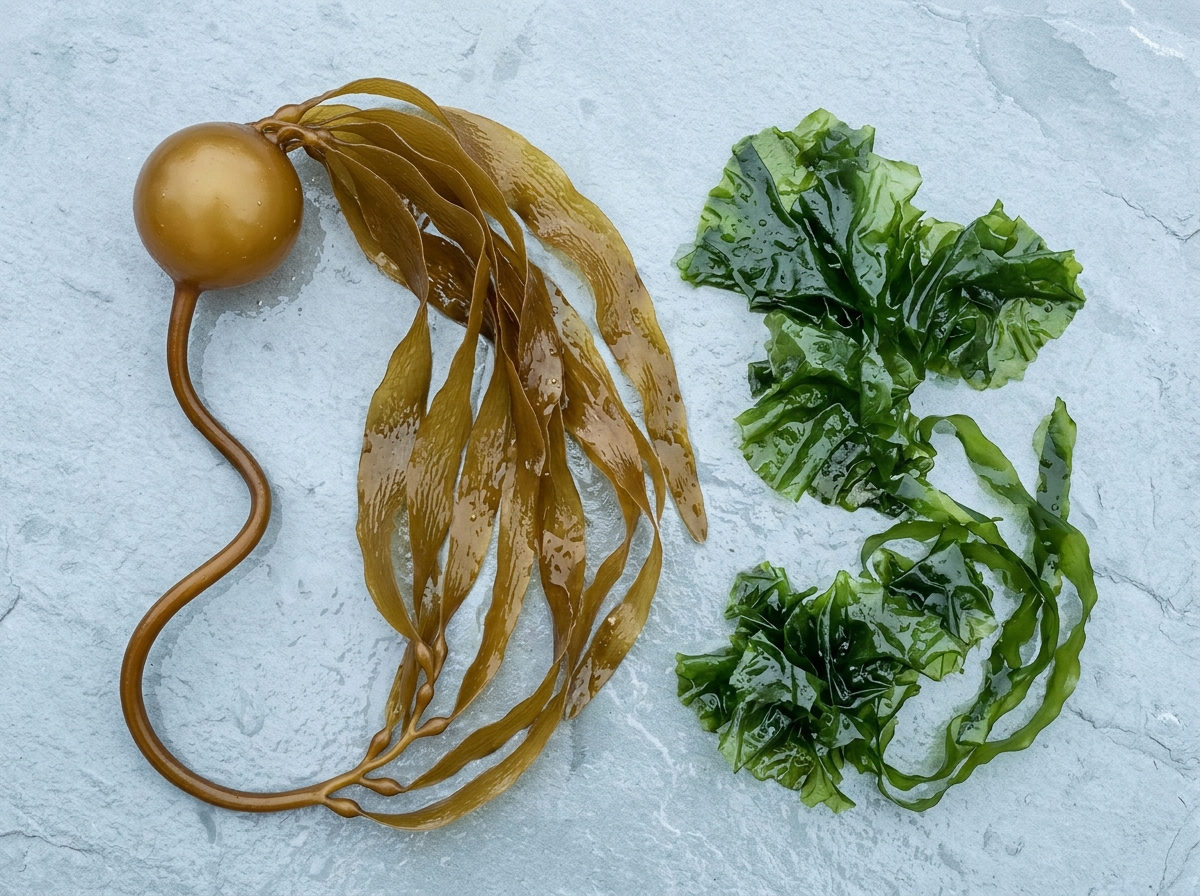
Low & Subtidal
Bull Kelp
Nereocystis luetkeana
Canopy-forming annual brown alga anchored in high-energy channels by a branching holdfast and single gas-filled pneumatocyst.
A self-contained field almanac documenting mixed-semidiurnal bar tides, basalt tidepool transects, and subtidal kelp canopies along the outer Columbia estuary.
Select a forecast window or scrub across the 24-hour curve to inspect water level relative to Mean Lower Low Water (MLLW) and estimated bar current velocity.
Voucher photographs and field plates cataloged along the Station 04 basalt transect. Filter by tidal elevation or open any card for substrate and depth notes.
Nereocystis luetkeana
Canopy-forming annual brown alga anchored in high-energy channels by a branching holdfast and single gas-filled pneumatocyst.
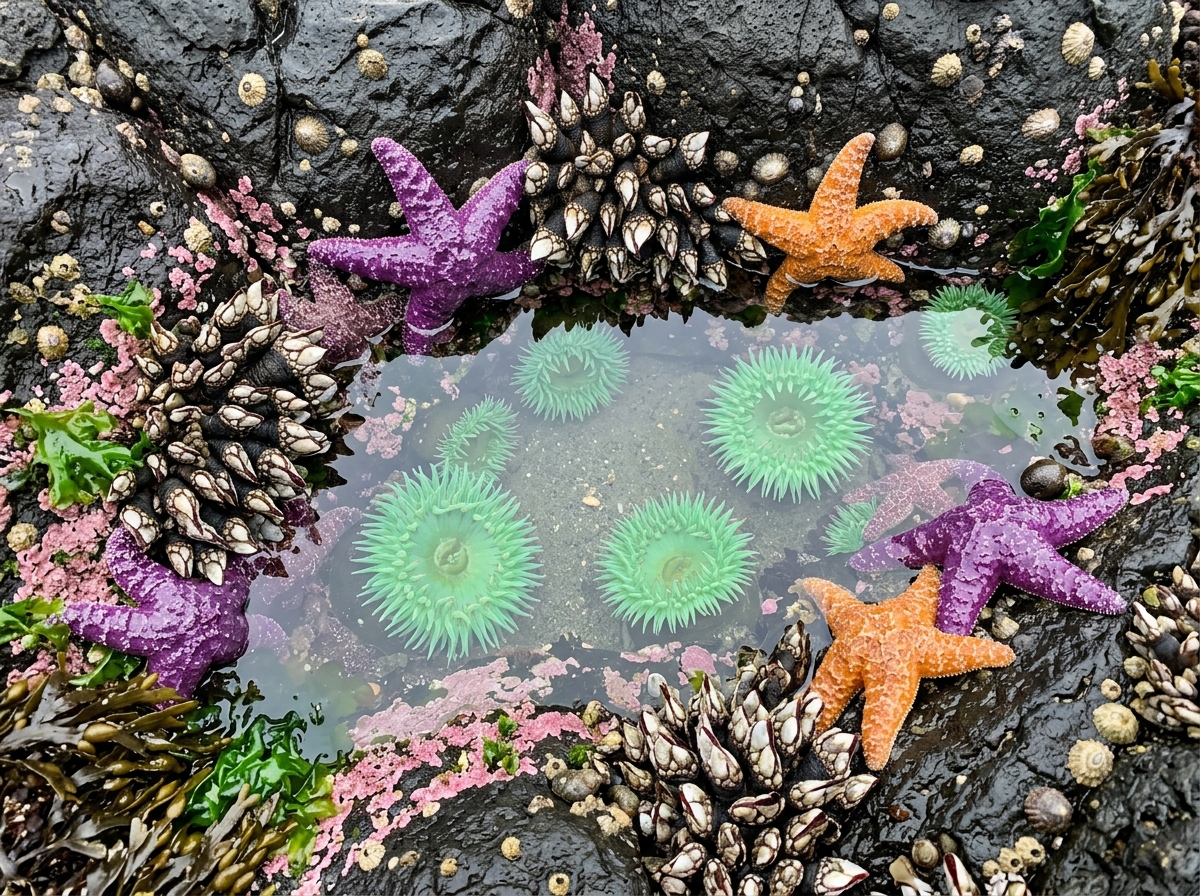
Pisaster ochraceus
Keystone predator of mussel beds along wave-swept basalt shelves, occurring in both ochre-orange and deep violet morphs.
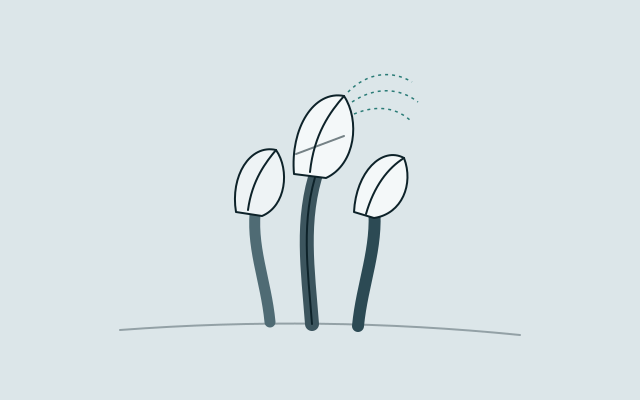
Pollicipes polymerus
Clustered stalked barnacles clinging to vertical surf faces, extending feathery cirri into returning wave wash.
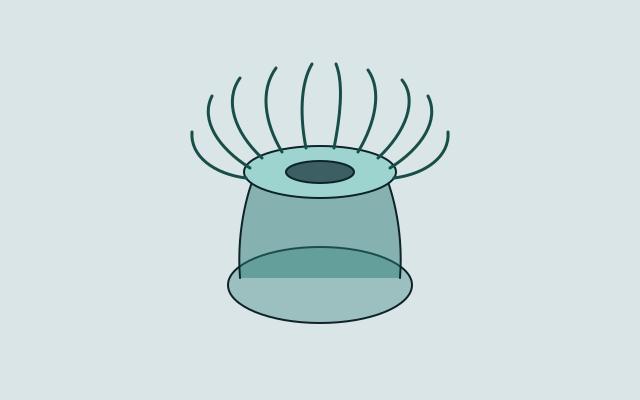
Anthopleura xanthogrammica
Solitary emerald anemone inhabiting shaded surge channels, colored by symbiotic microalgae in its oral tissues.
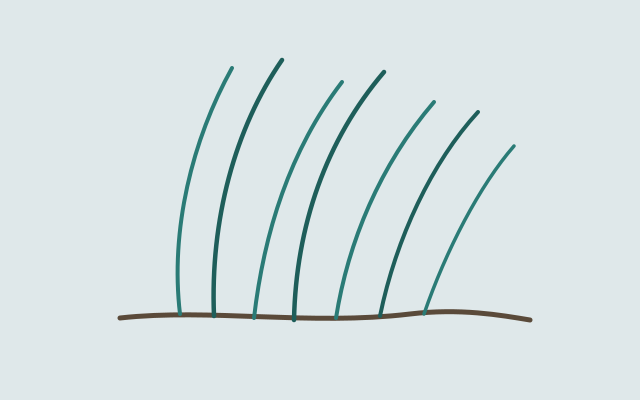
Phyllospadix scouleri
Flowering marine angiosperm whose tough rhizome mats anchor to surf-beaten benches and shelter juvenile rockfish.
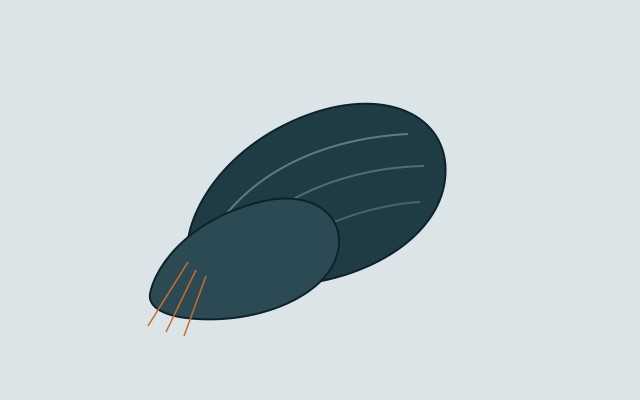
Mytilus californianus
Dense biogenic bed-former anchored by proteinaceous byssal threads, retaining vital moisture across six-hour low-water exposures.
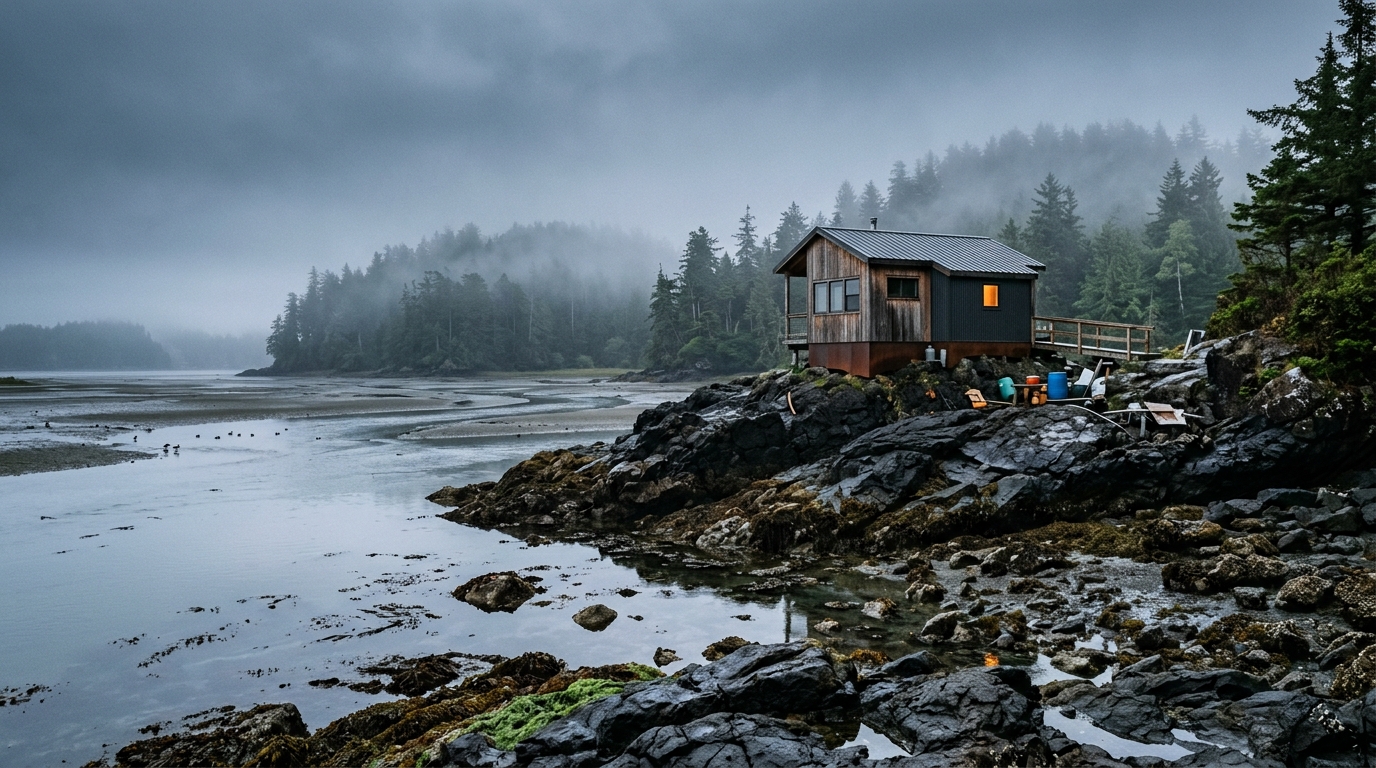
Recent bar soundings, transect counts, and instrument calibrations logged at Cape Disappointment.
Light marine fog lifting off the north jetty. Outer Nereocystis beds remain intact following last week's 11-foot westerly swell.
Completed 30-meter quadrat sweep along the sheltered basalt bench. Recruitment of juvenile ochre stars under 4 cm diameter is up noticeably from spring.
Verified stilling-well acoustic gauge against brass staff plate during slack high water. Drift remained within ±0.03 ft over 90 days.
Built for offline field reference aboard skiffs and inside headland cabins where cellular reception is absent.
All tide heights and intertidal zone boundaries in this almanac are referenced to MLLW, the average of the lower low water height of each tidal day observed over the National Tidal Datum Epoch.
Because the Pacific Northwest coast experiences mixed semidiurnal tides, two highs and two lows of unequal amplitude occur roughly every 24 hours and 50 minutes.
Current velocities displayed in the explorer are derived from the rate of change of local water elevation across the Columbia Bar entrance channel. Peak ebb flows typically lag predicted high water by 50 to 70 minutes due to river outflow.
This archive operates completely offline with bundled imagery, vector plates, and local harmonic tables.
Scientific name